
Termite Damage in Oklahoma Homes: How to Spot Early Signs
If you’re wondering what termite damage looks like in Oklahoma homes, this guide will help you spot the subtle and not-so-subtle signs. Whether you’re a homeowner, buyer, or renter in Oklahoma, understanding termite damage is crucial—these pests are common and costly in our state due to the humid climate, variable temperatures, and termite-friendly soil.
Termite infestations are widespread across Oklahoma, making prevention and early detection essential for protecting your property, especially in areas with high termite activity.
In this article, you’ll learn how to identify termite damage, the risks termites pose, how to prevent infestations, and what steps to take if you find evidence of termites. Knowing what to look for, along with regular inspection and prevention, can save you thousands in repairs and protect your investment.
Key Takeaways
- That weird mix of hollow-sounding baseboards, soft or blistered spots in wood, and maze-like lines under paint or drywall is often how termite damage first shows up in Oklahoma homes—it usually looks subtle and kind of boring at a glance, not dramatic like in TV shows.
- Little piles of what looks like sand or coffee grounds (termite droppings, also called frass), wings on windowsills after a warm rainy spell or during early summer, and mud tubes (pencil-thin tunnels made of soil and saliva) running up your slab, piers, or foundation are big red flags that termites are active right now, not just “used to be here.” The extent of termite infestations in Oklahoma homes is often underestimated, so even minor signs should be taken seriously.
- Because Oklahoma’s soil, humidity, and wild temperature swings are so termite-friendly, catching these signs early—even the tiny ones you’re not sure about—can be the difference between a quick spot treatment and a painful, wallet-draining repair job later.
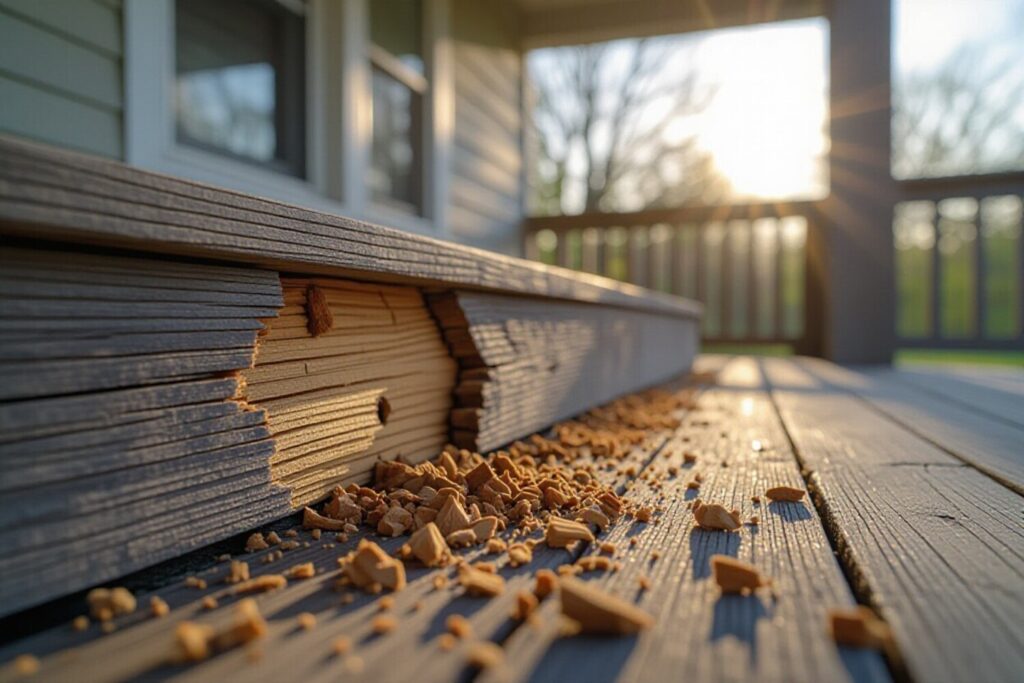
What Does Termite Damage Look Like in Oklahoma Homes? (Visual Checklist)
Here’s a quick checklist of the most common visual signs of termite damage in Oklahoma homes:
- Hollow-sounding or soft wood when tapped
- Visible holes in wood, especially where termites have hollowed out the interior
- Blistered, bubbling, or peeling paint on wood surfaces
- Maze-like patterns or tunnels just beneath the surface of wood or drywall
- Mud tubes (pencil-thin tunnels made of soil and termite saliva) on foundation walls, piers, or slabs
- Discarded wings from swarmers (winged termites) on windowsills or near doors, especially after rain
- Small piles of frass (termite droppings that look like sand or coffee grounds) near baseboards or woodwork
- Sagging floors or doors that suddenly stick
- Cracked or distorted wood surfaces
- Signs of termite activity behind light fixtures or in moisture-prone areas
Note: Termites feed on wood from the inside out, often leaving the outer surface intact while hollowing out the inside. Termite eggs, which are translucent and gel-like, can sometimes be found in damaged sections of wood.
What Are Termites, Anyway?
The Lowdown on These Pests
Termites are small, social insects that feed on cellulose found in wood and plant material. They live in colonies and can silently destroy the structural integrity of a home from the inside out.
What is Termite Damage?
Termite damage refers to the destruction of wood and other cellulose-based materials caused by termites eating through them. Unlike water or rot damage, which often leaves wood soft, crumbly, or discolored, termite damage typically results in hollowed-out wood, hidden tunnels, and a honeycomb appearance inside beams or boards. Water damage usually shows staining, warping, or mold, while termite damage is often dry and clean inside the wood, with mud tubes or frass nearby.
Technical Terms Defined:
- Mud tubes: Pencil-thin tunnels made of soil and termite saliva, used by subterranean termites to travel between their nest and food sources while staying moist and protected.
- Swarmers: Winged adult termites that leave the colony to mate and start new colonies, often seen in spring or after rain.
- Frass: Termite droppings, which look like tiny piles of sand or coffee grounds, often found near infested wood.
Now that you know what termites are and which types are common in Oklahoma, let’s look at why their damage matters for homeowners.
Types of Termites Common in Oklahoma
- Subterranean termites: The most common in Oklahoma, these termites live underground and enter homes through cracks as small as 1/32 of an inch around slabs and foundation joints. They build mud tubes to travel above ground and are known for causing extensive, hidden damage. The Eastern Subterranean Termite is the most likely species to be seen in Oklahoma termites. The Arid-Land Subterranean Termite and the Dark Southeastern Subterranean Termite have also been documented in Oklahoma, contributing to the moderate risk level for homeowners in the region.
- Drywood termites: Unlike subterranean termites, drywood termites do not require contact with soil. They often spread through infested furniture, doors, or trim moved from one home to another. Their colonies are smaller, but they can infest dry wood anywhere in the home. However, drywood termites are not native to Oklahoma and are not found in the state.
- Formosan termites: These are a particularly aggressive and destructive type of subterranean termite. Formosan colonies can include several million termites, multiplying damage much faster than standard subterranean species due to their large colony size and voracious appetite. Formosan termites have not been identified in Oklahoma but have been found just south of the border in Texas, increasing awareness of potential risk from the south.
- Winged swarmers: These are the reproductive members of termite colonies. Swarmers usually appear on warm, humid days after rain, especially from March through June in Oklahoma. Their presence signals a mature colony nearby.
Knowing which termite type fits the signs you see at your place helps you target inspections, repairs, and treatments so you are not just guessing in the dark.
Why Should You Care About Termite Damage?
The Real Cost of Ignoring Termites
Termite damage can be devastating for Oklahoma homeowners. Because termites often work silently behind walls, floors, and foundations, their presence can go unnoticed until significant structural damage has occurred. The extent of termite damage directly impacts repair costs and can affect whether insurance coverage applies, especially in older homes or those with complex structures. Repairs can cost thousands of dollars and may not be covered by homeowners insurance, as most standard policies view termite damage as a preventable maintenance issue. However, some insurance policies may provide limited coverage if termites cause sudden collapses or collateral damage. Thorough documentation of termite damage, including photographs and inspection reports, is essential for any potential insurance claims.
How Termites Can Wreak Havoc on Your Home
Termites eat away at the wood that supports your home, weakening beams, joists, and studs. Over time, this can lead to sagging floors, sticking doors, and even unsafe living conditions. Termite infestations can often go unnoticed because the damage frequently resembles common home maintenance issues until it becomes severe.
**Why is Oklahoma at Higher Risk?**Oklahoma’s humid climate, frequent rainfall, and clay-rich soil create ideal conditions for termites to thrive. The state’s temperature swings and moisture levels mean termites can stay active nearly year-round, making infestations especially common. Subterranean termites in Oklahoma are active year-round and cause damage that often looks like typical wear and tear. Regular inspections of basements, crawlspaces, and wood-to-ground contact areas are recommended to prevent extensive termite damage. Promptly repairing leaks and managing moisture can significantly reduce the risk of termite infestations. For older and historic homes, termite control services should be tailored to address the specific risks and termite issues these properties face.
Understanding the risks is important, but how can you actually spot termite damage in your home? Let’s break down the signs.
Spotting the Signs of Termite Damage: What to Look For
Wings, Droppings, and Mud Tubes – Oh My!
When inspecting your home, keep an eye out for these telltale signs:
- Discarded wings from swarmers on windowsills, especially after rain
- Swarms of winged termites (alates), particularly after warm weather or rainfall, which indicate active colonies nearby
- Live swarmers inside your house, often confused with flying ants, are a strong sign of an established termite colony within or very close to your home
- Mud tubes (pencil-thin tunnels made of soil and saliva) running up your slab, piers, or foundation
- Small piles of frass (termite droppings that look like sand or coffee grounds) near baseboards or woodwork
Common Indoor Signs
- Hollow-sounding or soft wood when tapped
- Blistered, bubbling, or peeling paint on wood surfaces
- Maze-like patterns or tunnels just beneath the surface of wood or drywall
- Sagging floors or doors that suddenly stick
- Cracked or distorted wood surfaces
Common Outdoor Signs
- Mud tubes on exterior walls, foundation, or crawl space piers
- Damaged or hollowed-out deck posts, steps, or fence pickets
- Frass or wings near outdoor wood structures
Inside vs. Outside: Where to Search
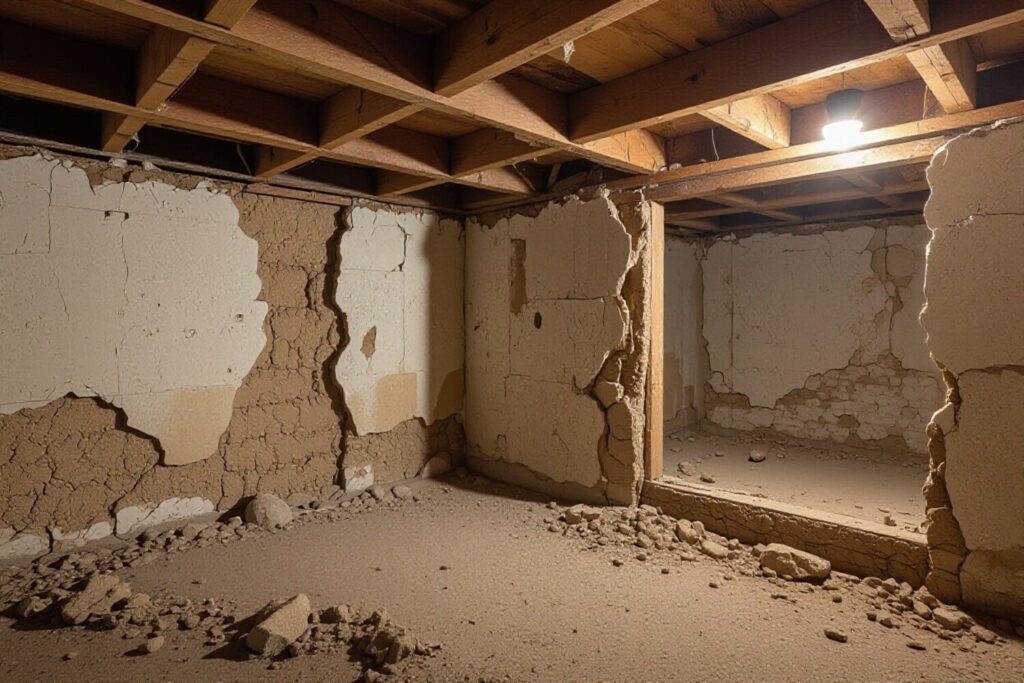
Check both inside and outside your home, focusing on areas where wood meets soil, around plumbing penetrations, and in crawl spaces or basements.
My Take on Preventing Termite Infestations
Simple Steps You Can Take
- Keep gutters and downspouts clear to prevent water from pooling near your foundation.
- Fix leaky spigots and plumbing, and inspect for and repair leaks near affected areas to reduce moisture and prevent termite infestations.
- Store firewood and mulch away from exterior walls.
- Seal cracks in your foundation and around plumbing penetrations.
- Remove old tree stumps, buried lumber, or construction debris near your home.
When to Call in the Pros
If you spot any signs of termite activity or damage, it’s best to contact a licensed pest control professional for a thorough inspection and treatment plan. Professional inspections can confirm potential termite infestations and are available from local experts. Dealing with termite issues, especially in older or historic homes, should be handled professionally to ensure the safety and preservation of valuable property features. Integrated Pest Management (IPM) is the industry standard for termite control in older homes in Oklahoma City, offering targeted and minimally invasive solutions. Finding the right termite control provider in Oklahoma City is especially significant for owners of vintage or historic homes. DIY methods rarely eliminate the entire colony.
Taking these steps can help you avoid costly repairs and keep your home safe from termites. Next, let’s see if your home is at risk and what factors attract termites in Oklahoma.
Honestly, Is Your Home at Risk?
Factors That Attract Termites
- Constant moisture from poor drainage or leaky spigots along the foundation
- Wood-to-soil contact, like untreated deck posts, steps, and fence pickets
- Mulch or firewood stacked right up against exterior walls
- Cracks in slab foundations and gaps around plumbing penetrations
- Old tree stumps, buried lumber, or construction debris near the house
Seasonal Considerations in Oklahoma
Termite activity in Oklahoma peaks during the spring and early summer, especially after periods of rain. This is also when termites swarm—flying termites called alates emerge on warm days after rainfall to form new colonies, and different termite species have specific swarming times. However, the state’s climate allows termites to remain active throughout much of the year.
If you’re concerned about your risk, regular inspections and preventive measures are your best defense. But what should you do if you actually find termite damage? Let’s go over the next steps.
What to Do If You Find Termite Damage
Immediate Actions
- Don’t disturb the affected area more than necessary—this can cause termites to scatter and make treatment harder.
- Take clear photos of the damage and any visible signs (mud tubes, frass, wings).
- Contact a licensed pest control professional for a thorough inspection.
- Avoid using over-the-counter sprays or treatments, as these rarely eliminate the colony.
Professional Repair Options
- After professional treatment, consult a contractor experienced in termite damage repair.
- Get multiple quotes for repairs to compare costs and methods.
- Ask about preventative treatments or barriers to reduce future risk.
Conclusion
Key Points to Remember
- Termite damage in Oklahoma homes is often subtle—look for hollow wood, mud tubes, frass, and discarded wings.
- Oklahoma’s climate and soil make termite infestations especially common, so regular inspections are essential.
- Early detection and professional treatment can save you thousands in repairs.
- Preventive steps like reducing moisture and eliminating wood-to-soil contact are your best defense.
Final Thoughts
Don’t wait until you see dramatic damage—by then, termites may have been active for years. Stay vigilant, know the signs, and act quickly if you suspect a problem.
Frequently Asked Questions
Q: What does active termite damage usually look like inside Oklahoma homes?
Active termite damage often appears as hollow-sounding wood, blistered paint, maze-like tunnels under the surface, and small piles of frass (termite droppings) near baseboards or woodwork.
Q: How can I tell the difference between termite damage and regular water or age-related damage?
Termite damage typically results in hollowed-out wood with clean tunnels, while water or rot damage leaves wood soft, crumbly, or discolored, often with mold or staining.
Q: Are there any early termite signs specific to Oklahoma homes that people usually miss?
Yes; mud tubes on foundation walls, discarded wings after rain, and tiny piles of frass are often overlooked but are key early warning signs in Oklahoma.
Contact Us
Get Protected Today!
Secure your home with professional expertise. Our specialists can help you eliminate termite threats permanently.
Phone: (580) 219-8712 Email: mailto:info@flatlinepest.com Address: 300 W Cherokee Ave Suit 107, Enid, OK 73701