
Do you have a budget for pest control?
Introduction to Pest Control
Pest control is an essential service for both residential and commercial properties, safeguarding your home or business from a wide range of unwanted pests such as insects, rodents, and other invaders. Whether you’re dealing with a minor ant problem or a severe bed bug infestation, understanding how much pest control services cost—and what influences those costs—can help you make smart, budget-friendly decisions.
When planning for pest control, it’s important to look at average costs across different pest types and treatment methods. Reliable cost data from industry sources and customer surveys helps inform homeowners about what to expect when budgeting for pest control services.
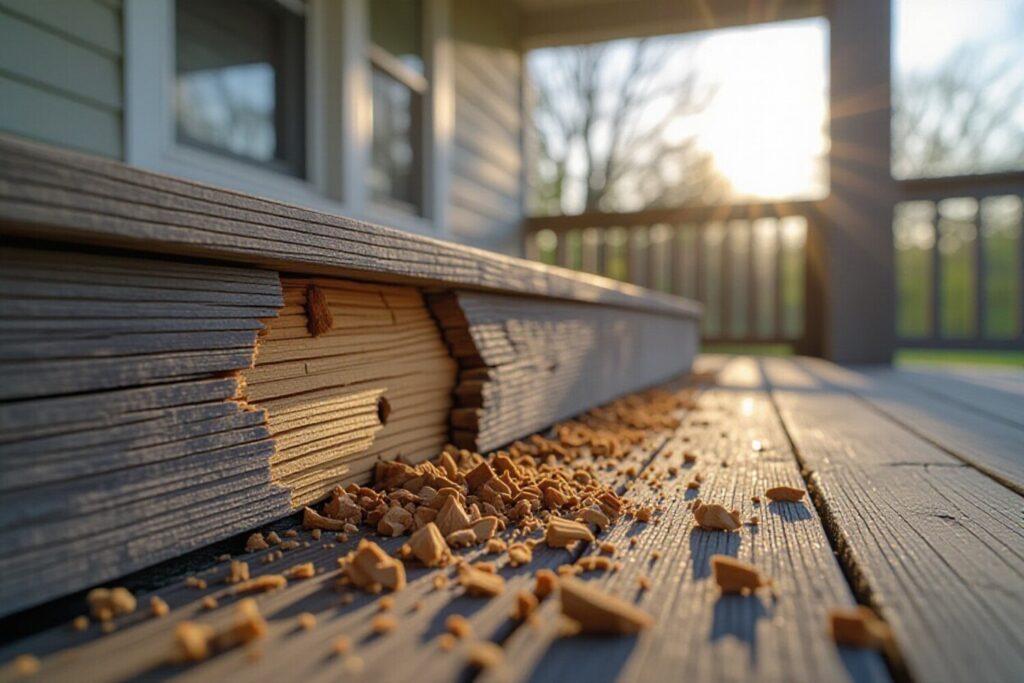
To calculate pest control costs, consider property size, pest type, infestation severity, and accessibility.
The cost of pest control depends on several key factors, including the pest type, the severity of the infestation, the size of your property, and the treatment method used. On average, pest control service costs can range from $50 for a basic inspection to $500 or more for a single visit, with the national average hovering around $171. However, prices can vary depending on whether you need general pest control for common pests or specialized treatments for more challenging issues like bed bugs or termites. Understanding how much pest control costs and how pest treatment prices vary is essential for making informed decisions about pest control pricing and budget planning.
While DIY pest control methods—such as bug spray, traps, or diatomaceous earth—can be effective for minor infestations, they often fall short when it comes to persistent or severe pest problems. Most homeowners will encounter common pest infestations in areas like attics, garages, sheds, or exterior structures, and may need to address an active infestation with professional help. Professional pest control companies offer comprehensive solutions, using specialized equipment and proven pest control methods to address the root cause of the infestation. A licensed pest control company will assess your unique situation, develop a customized pest control plan, and provide follow up services to ensure long-term protection.
Choosing professional pest control is not just about convenience—it’s also about protecting your property and health. Pests can cause costly repairs by damaging structures, wiring, and insulation, and they may also pose significant health risks to your family or employees. Investing in professional pest control services can help you avoid these risks and reduce costs in the long run by preventing future infestations. Professional pest control is worth the investment, especially when a pest control expert is needed to handle persistent or severe infestations safely and effectively.
When selecting a pest control company, look for a provider with a solid reputation, proper licensing, and experience handling your specific pest problem. Many reputable companies offer free inspections and will work with you to create a cost-effective pest control plan tailored to your needs and budget. They’ll also recommend preventive measures to help keep pests from returning. Pest control pricing structures can help homeowners compare the costs of prevention versus treatment and choose the best option for their situation.
Ultimately, understanding the average pest control costs and the key factors that influence them empowers you to make informed choices. Whether you’re considering DIY pest control solutions for minor issues or need a professional exterminator for a severe infestation, knowing what to expect can help you protect your property and save money over time.
Types of Pest Control Services
Pest control services come in a variety of forms to address the diverse needs of both residential and commercial properties. General pest control is the most common service, targeting everyday nuisances like ants, spiders, and cockroaches. These treatments are designed to quickly eliminate common pests and prevent them from returning. For more specialized issues, such as termites, professional pest control companies offer targeted termite control services that focus on detecting and eradicating these destructive insects before they can cause significant structural damage.
Bed bug control is another specialized service, as bed bugs are notoriously difficult to eliminate due to their ability to hide in tiny cracks and survive for extended periods without feeding. Professional pest control treatments for bed bugs often involve a combination of chemical and heat treatments, along with thorough inspections and follow up services to ensure complete eradication.
Rodent control services are essential for managing mice and rat infestations, which can pose serious health risks and lead to costly property damage. These services typically include trapping, removal, and the implementation of preventive measures to keep rodents from returning.
A reputable pest control company will offer a comprehensive range of pest control services, including initial treatments, preventive strategies, and ongoing follow up services. This holistic approach ensures that pest problems are not only resolved but also kept at bay, protecting both residential and commercial properties from future infestations.
Average Pest Control Costs in Oklahoma
Pest control costs vary widely, but understanding the average costs in your area is essential. Providers use real-world cost data to determine pest control pricing, which helps homeowners make informed decisions about their options. You should expect different prices based on pest type, infestation size, and the chosen treatment method.
Pest control pricing is also influenced by pest pressure—the level of pest activity or infestation risk in your area. A pest control cost estimate can be calculated using a formula that includes a base cost, property size, and multipliers for pest type and severity.
When choosing a provider, consider the differences between exterminator services and local exterminators. Exterminator services often offer immediate, aggressive interventions, while local exterminators may provide more tailored, neighborhood-specific solutions. It’s important to select professional services that use the most effective treatment method for your situation, ensuring long-lasting and reliable results.
Inspection Fees
- For a basic inspection you may pay between $50 and $200.
One-Time Treatment Costs
- A single one-time treatment for common pests like ants or spiders typically ranges from $75 to $400.
Ongoing Service Plans
- Ongoing monthly or quarterly plans often fall between $40 and $85 per visit for monthly pest control plans, depending on your service level.
- Initial treatment fees for recurring plans typically range from $150 to $300.
- Annual pest control plans commonly range from $300 to $900, and may offer more budget-friendly maintenance options compared to one-time visits.
- Monthly service and monthly treatments can help prevent infestations and reduce the likelihood of costly exterminations in the future.
- Recurring plans for pest control often provide better long-term value and peace of mind.
Specialized Pest Treatments
- Specialized treatments for pests like termites, bed bugs, or rodents tend to be more expensive due to the complexity required.
- Termite control can range from $200 to $2,500 for a standard treatment.
- Barrier treatments for termites usually range from $500 to $2,500.
- Fumigation for severe infestations can cost as much as $8,000.
- Bed bug extermination can cost between $1,000 and $4,000.
- Rodent extermination costs typically range from $150 to $600.
- Mosquito control services can cost between $350 and $1,000 for a full season package.
- More intensive removal methods, like heat treatment and fumigation, carry much higher treatment costs due to specialized equipment and labor.
- Chemical treatments are often used for serious infestations and may involve harsh chemicals, which can increase costs.
Factors Affecting Cost
Your property size and location affect pricing:
- Larger homes and urban areas with higher operating costs typically increase the bill. Larger homes often incur additional fees of about $25 for every 1,000 square feet above 1,500 square feet.
- The severity and duration of the infestation influence how many visits are required. The level of pest pressure and specific property characteristics, such as home size and layout, also impact the type and frequency of service needed, as well as the overall cost of addressing a pest infestation.
- Treatments that use advanced heat, fumigation or structural repairs are more expensive than spot treatments.
Tips for Saving on Pest Control Services
- Compare quotes from at least three licensed providers to help control your spending.
- Ask about what the inspection includes, any warranty or follow-up visits, and whether the quote covers prevention measures.
- Bundling services or signing a seasonal plan can lower per-visit costs if you want continuous protection.
- You can reduce long-term costs by adopting simple prevention steps:
- Seal entry points
- Eliminate food and standing water
- Maintain clean storage
- Trim vegetation near structures
For minor issues, combine your efforts with targeted DIY methods using approved baits or traps, then call a pro if the problem persists. DIY pest control methods can cost $20–$50 for traps and baits, but they rarely solve large infestations. While DIY pest control solutions are cheaper up front, professional services deliver long-term value and a lower risk of recurrence. A failed DIY attempt can give pests time to spread, turning a $200 problem into a $2,000 repair. If pests return or spread, repeated DIY treatments may end up costing more overall. Professional pest control companies offer early detection and tailored treatments to keep your home protected.
Choosing a Provider
When choosing a provider, prioritize:
- Licensed technicians
- Transparent pricing
- Clear treatment plans over the lowest bid
Consider hiring local exterminators and comparing their services and pricing with those of larger national companies to find the best fit for your needs.
By understanding the main cost drivers—pest type, treatment method, property size and service frequency—you can make an informed decision that balances your budget and desired level of protection. Call Flatline Pest Control today!
Commercial Pest Control
Commercial pest control is tailored to the unique challenges faced by businesses and organizations operating in commercial properties. Whether you manage an office, restaurant, warehouse, or retail store, maintaining a pest-free environment is crucial for your reputation and the safety of your staff and customers. Commercial pest control services often utilize specialized equipment and advanced techniques, such as heat treatments and targeted fumigation, to quickly and effectively eliminate pests from large or complex spaces.
Routine inspections are a key component of commercial pest control, helping to identify potential pest issues before they escalate into costly infestations. Many pest control companies offer ongoing maintenance plans for commercial properties, ensuring that preventive measures are in place and that any signs of pest activity are addressed promptly.
By investing in professional pest control services for your business, you not only protect your property and inventory but also minimize the risk of health code violations and negative customer experiences. A proactive approach to pest control can save your business from unexpected disruptions and costly repairs, making it a smart investment for any commercial property owner.
Calculating Pest Control Cost
Determining the cost of pest control services involves several important considerations. The average pest control costs can vary depending on your location, the type of pest you’re dealing with, and the severity of the infestation. A licensed pest control company will typically offer free inspections to assess your pest problem and provide a detailed quote based on your specific needs.
Key factors that influence the cost of pest control include the treatment method required, the size of your property, and how severe the infestation is. For example, a minor ant problem may only require a simple treatment, while a severe termite or bed bug infestation could necessitate multiple visits and specialized equipment, increasing the overall cost of pest control.
When calculating pest control costs, it’s important to consider not just the initial treatment but also any follow up services or preventive measures that may be recommended. By working with a reputable pest control company, you can get a clear understanding of the total cost and ensure that your pest control plan is both effective and budget-friendly.
Hiring a Pest Control Professional
Choosing the right pest control company is a crucial step in resolving your pest issues effectively. When evaluating potential providers, consider key factors such as their experience, reputation, and whether they are fully licensed and insured. A trustworthy pest control company should be transparent about their treatment methods, the equipment they use, and the types of follow up services they offer to ensure long-term results.
Don’t hesitate to ask about guarantees or warranties on their pest control services, as these can provide added peace of mind and protect your investment. It’s also wise to read reviews, request references, and compare quotes from multiple companies to find the best fit for your needs.
By taking the time to research and interview pest control professionals, you can feel confident that you’re partnering with an expert who will address your pest problem thoroughly and provide ongoing support to keep your property pest-free.
Conclusion and Final Tips
Pest control services are a vital investment for anyone looking to safeguard their home or business from the risks and costs associated with pest infestations. By familiarizing yourself with the different types of pest control services, understanding how to calculate pest control costs, and carefully selecting a reputable pest control company, you can ensure that your pest issues are handled efficiently and effectively.
Remember, preventive measures such as sealing entry points and maintaining a clean environment are essential for keeping pests at bay. Don’t overlook the importance of follow up services to confirm that your pest problem is fully resolved. Always choose a licensed pest control company that uses safe, proven treatment methods to minimize health risks and environmental impact.
While DIY methods may seem appealing for minor issues, professional pest control offers the expertise and resources needed for lasting results—especially when dealing with severe infestations or persistent pests. By prioritizing professional pest control services and following these final tips, you can enjoy peace of mind and a pest-free property for years to come. Call Flatline Pest Control today!