
The Silent Destroyers: Protecting Your Oklahoma Home from Termites (Enid, Guthrie & Edmond Edition!)
Ever pause to consider the unseen forces at play within the walls of your home? It’s a sobering thought, isn’t it, to realize that while we go about our daily lives, a silent army might be meticulously dismantling our most significant investment. I speak, of course, of the termite – Oklahoma’s stealthy, wood-chomping menace.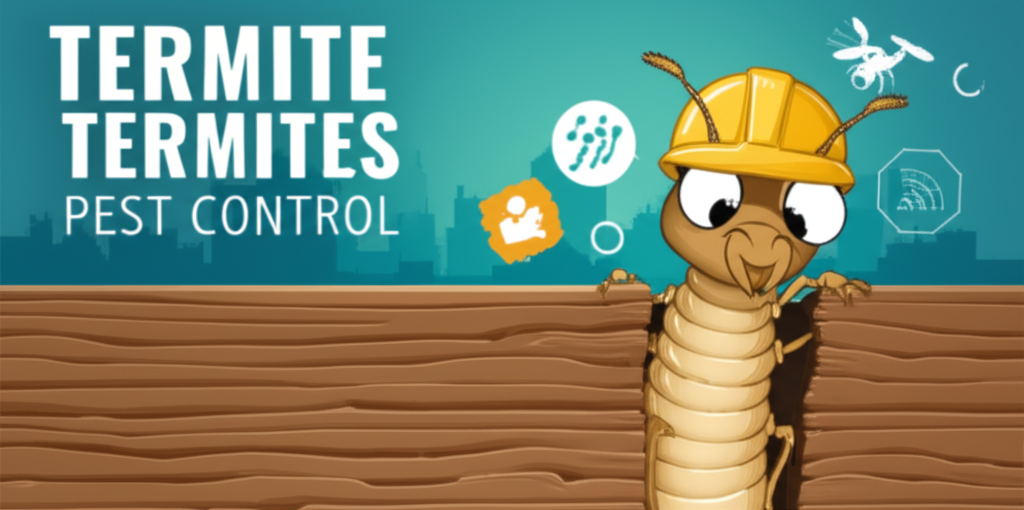
We’re not talking about some abstract, far-off threat. Termites inflict billions of dollars in damage annually across the United States. And in communities like Enid, Guthrie, and Edmond, it’s less a question of “if” and more a matter of “when” these subterranean architects might decide to make your property their next project. Today, we’ll delve into their clandestine world, from their sneaky habits and history to cutting-edge solutions and local insights.
Meet the Mobs: Who’s Eating Your House in Oklahoma?
Consider the cast of characters. The undisputed heavyweight champion in Oklahoma is the Eastern subterranean termite. They’re not alone, though; a whole gang of subterranean termites is present, including the Dark southeastern, Light southeastern, and Arid-land termites. And let’s not forget the Desert Termites, who, in a surprising twist, often prefer the verdant buffet of your lawn’s grass to the timber of your house. Then there are the occasional, unwelcome visitors – Drywood termites. Not native to these parts, they often hitch a ride on infested wood or furniture, seeking a place to establish themselves.
But a spectre looms. To our south, in Texas, lurks the Formosan Termite. A highly destructive and invasive species, its arrival would be a game-changer, a pestilence of biblical proportions for our homes.
These creatures are masters of stealth. They live underground, shielded from the harsh Oklahoma sun, carving out intricate networks, sustained by the moisture they crave. Their infamous mud tubes, those earthy highways snaking across your foundation, are their architectural marvels, proof of their activity, and signs of impending doom.
A Trip Down Memory Lane: How We’ve Battled Bugs Through the Ages
Our struggle against these tiny titans is an old one. Early humans, perhaps intuitively understanding the threat from the earth, employed basic physical barriers – stacking stones, elevating structures – simple yet effective deterrents.
Then came the Chemical Revolution of the 18th to 20th centuries. Arsenic and DDT promised a scientific solution, a decisive victory over the insect world. But hubris has its price. We quickly learned about the environmental and health headaches that followed, a stark reminder that wielding such power demands caution.
Today, we find ourselves in an era of Modern Warfare and IPM. We’ve moved from widespread sprays to targeted strikes. The rise of Integrated Pest Management (IPM) signals a shift toward more innovative, more strategic, and often eco-friendlier approaches. It’s a recognition that we must fight smarter, not just harder.
Playing Detective: Signs Your Home Might Be a Termite Buffet
The “Silent Destroyer” moniker is well-earned. Termites are notoriously difficult to spot early. They eat from the inside out, leaving a hollow shell where solid timber once stood. Damage is often extensive before any outward signs become apparent.
So, what should you look for? Become your own Sherlock Holmes of suburbia. Keep an eye out for:
- Swarmers or discarded wings: Especially near windows or light sources in the spring (March-May) or after a rain in the fall. This is often the first visible sign of an infestation.
- Mud tubes: Pencil-sized tunnels on foundations, walls, or crawl spaces. These are their highways.
- Hollow-sounding wood: Tap on wood. Does it sound empty? That’s not a good sign.
- Damaged drywall or peeling paint: Looks like water damage, but it could be termites.
- Stuck windows/doors: Warped frames can be a telltale sign.
- “Frass”: Tiny, pellet-like droppings (a calling card of drywood termites).
- Squeaky floors or loose tiles.
The Pro Approach: Modern Termite Control & Why DIY Won’t Cut It
Oklahoma’s warm, humid climate makes it a termite hotbed, a paradise for these wood-loving creatures. DIY attempts often fail, a costly gamble that allows the damage to worsen. Professionals are licensed, trained, and intimately familiar with Oklahoma’s specific regulations (administered by the ODAFF). Moreover, they possess specialized equipment needed to locate hidden colonies, tools that are beyond the reach of the average homeowner.
The arsenal of modern termite control is impressive:
- Liquid Barriers: Creating a treated zone around/under your home. Some are repellent, pushing termites away. Others are non-repellent, allowing termites to unknowingly carry the poison back to the colony, leading to its demise.
- Baiting Systems: The Sentricon system is a prime example. Termites eat the bait, share it with their colony, and the entire population collapses. It’s a less invasive approach, a surgical strike rather than carpet bombing.
- Foam/Dust Treatments: Perfect for those hard-to-reach spots, the nooks and crannies where termites like to hide.
- Wood Treatments: Direct application to infested wood, a targeted solution for localized problems.
- Fumigation: The big tent! Reserved for severe drywood infestations, a last resort when all else fails.
Prevention, of course, is paramount. Moisture control is key. Leaky pipes, poor drainage, clogged gutters, and inadequate crawl space ventilation – these are all invitations for termites. Eliminate wood-to-ground contact, keeping firewood away from the house. Seal cracks and entry points. And, perhaps most importantly, schedule regular professional inspections. Think of them as annual check-ups for your home.
The Hot Debates: Termites, Real Estate & Regulations
Termites are not just a structural issue; they’re a real estate headache. Sellers are legally obligated to disclose termite issues (using the ODAFF-1 form). Transparency is essential, or risk legal woes and stalled sales. Home insurance generally doesn’t cover termite damage, adding insult to injury.
Then there’s the ongoing debate about pesticide use in Oklahoma. Balancing agricultural needs with public health and environmental concerns is a complex challenge. Groundwater contamination, the impact on pollinators, and the presence of “forever chemicals” like PFOA/PFOS from biosolids – these are all valid concerns. We need public education to debunk myths and promote safe practices.
The Future is Bright (and Bug-Free?): Emerging Tech & Trends
The future of termite control is taking on a decidedly high-tech sheen.
- Smart Sensors: Real-time monitoring for humidity, temperature, vibrations, and even sounds. These devices are the sentinels of tomorrow, providing early warnings of termite activity.
- Thermal Imaging: Seeing termites through walls by detecting their heat signatures. It’s like having X-ray vision for your home.
- Drones: Inspecting hard-to-reach areas like roofs and attics. No more precarious ladder climbs.
- AI & Predictive Analytics: Using data to predict outbreaks and optimize treatments. The future is data-driven.
- Chemical Trace Detection: Sniffing out termite pheromones in the air. The termites have no place to hide.
We’re also seeing a rise in eco-warrior treatments:
- Advanced Baiting: Even smarter baits, remote monitoring, and truly non-toxic formulas.
- Heat Treatments: Cooking termites out without chemicals. A literal trial by fire.
- Biological Controls: Beneficial nematodes (worms!) and fungi that target termites.
- Botanical & Natural Oils: Orange oil (d-limonene) and borates for wood treatments.
- Physical Barriers: Next-gen stainless steel mesh or specialized sand that termites can’t penetrate.
- Nanotechnology: Super-targeted chemical delivery, reducing environmental impact.
Expect more education from pest control professionals, empowering homeowners to take control.
Local Legends: Termite Control in Enid, Guthrie & Edmond
Here are the Flatline Pest Control locations serving areas:
Enid:
Guthrie:
Edmond:
Look for local certifications and guarantees from Certified professionals.
Conclusion: Your Home, Safe and Sound
Termites are a real threat in our Oklahoma communities, but understanding them, staying vigilant, and leveraging professional expertise (and future tech!) are your best defenses. Don’t wait for the damage to become catastrophic. Get a professional inspection today and protect your home! After all, peace of mind is priceless.