
Big Brown Spider Oklahoma: The Brown Recluse
Introduction
When it comes to ensuring the safety and comfort of your home, it is crucial to be aware of potential threats that could compromise your well-being. Oklahoma spiders are diverse, with various species such as the black widow and brown recluse found in both urban and rural areas. One such threat is the Oklahoma Brown Recluse spider, a venomous arachnid commonly found in the region and considered dangerous due to its medically significant bite. In this article, we will provide you with essential information and practical tips to help you protect your home from Oklahoma Brown Recluse spiders and ensure the safety of your family.
Understanding the Oklahoma Brown Recluse Spider
The Oklahoma Brown Recluse spider, scientifically known as Loxosceles reclusa, is a venomous spider primarily found in the central United States, including Oklahoma. The brown recluse is one of several Loxosceles species found worldwide. These spiders are typically light to dark brown and have a distinctive violin-shaped marking on their back. The brown recluse is also known as the violin spider, and the marking’s neck is violin pointing toward the abdomen. Unlike most spiders which have eight eyes, the brown recluse has six eyes arranged in three pairs (arranged in three pairs) in a semicircular pattern, which is a key identification feature. While they prefer secluded areas like closets, basements, and attics, they can also be found in woodpiles, sheds, and other dark and undisturbed spaces.
Habitat and Distribution of Recluse Spiders
Recluse spiders, particularly the brown recluse (Loxosceles reclusa), are native to the south-central United States and are commonly found in states such as Oklahoma, Texas, Missouri, Arkansas, and surrounding areas. These spiders thrive in dry, dark, and undisturbed environments, making them well-suited to both natural and man-made habitats. Outdoors, brown recluses often seek shelter in places like rock piles, log stacks, and caves, where they can remain hidden from predators and catch prey. Indoors, they prefer cluttered storage spaces, closets, attics, and even wall voids—anywhere that offers seclusion and minimal disturbance.
In addition to the brown recluse, the Mediterranean recluse (Loxosceles rufescens) has established populations in parts of the United States, particularly in the Northeast. While both species share similar habits, the brown recluse is the primary concern in Oklahoma and the surrounding region. Understanding where recluse spiders are most likely to be found is essential for successful brown recluse control and reducing the risk of brown recluse bites. By focusing on these hidden locations and minimizing clutter, homeowners can make their spaces less inviting to recluse spiders and help prevent unwanted bites.
Identifying Brown Recluse Spider Infestations
Identifying a potential Brown Recluse spider infestation is essential for taking appropriate measures to prevent its presence in your home. Here are some signs to look out for:
- Sightings: If you notice spiders resembling the description of a Brown Recluse, it’s important to investigate further.
- Webs: Unlike many other spiders, Brown Recluses don’t typically build elaborate webs. Instead, they tend to create irregular, messy webs in secluded areas.
- Bite Symptoms: A brown recluse spider bite often begins with a burning sensation at the site. Brown Recluse spider bites can cause severe symptoms, including pain, itching, redness, blistering, and in rare cases, necrotic skin lesions. If you experience such symptoms, seek medical attention immediately.
Most bites from brown recluse spiders are minor, and the vast majority of reported brown recluse bites are misdiagnosed or result in only mild symptoms. People are rarely bitten by brown recluse spiders due to their reclusive nature. In very rare cases or rare instances, systemic symptoms such as chest pain or hemolytic anemia can occur, especially in vulnerable individuals. Necrotic injuries may develop in some cases, and the affected tissue eventually sloughs off as part of the healing process. Many skin lesions attributed to brown recluse bites are actually caused by other medical conditions, such as bacterial or fungal infections. It is important to correctly identify a brown recluse bite or spider bite, as many skin lesions are not caused by actual spider bites but by other medical conditions.
Life Cycle and Behavior
The life cycle of brown recluse spiders is both fascinating and important to understand for anyone concerned about spider bites or infestations. An adult brown recluse typically lives for one to two years. During this time, female brown recluse spiders produce several egg sacs, each containing around 50 eggs. These egg sacs are carefully hidden in protected areas, and after about a month, the eggs hatch into young spiders, or spiderlings. It takes approximately a year for these young spiders to mature into adults, continuing the cycle.
Brown recluse spiders are nocturnal hunters, spending daylight hours resting in hidden locations such as behind furniture, inside wall voids, or within cluttered storage areas. At night, they emerge to catch prey, relying on their agility rather than webs to capture insects and other small arthropods. Unlike most web weavers, brown recluses spin irregular, asymmetrical webs primarily for shelter, not for trapping food.
Although adult brown recluse spiders are considered venomous spiders, most brown recluse bites result in only minor symptoms. Severe symptoms, such as necrotic lesions or systemic reactions, are extremely rare. Brown recluse spider bites typically occur only when the spider feels threatened, such as when someone accidentally disturbs their hiding place. This reclusive behavior, combined with their preference for hidden locations, means that bites are uncommon despite the spider’s presence in many homes.
Other spiders, like the southern black widow and northern black widow, have their own unique behaviors and habitats, but the brown recluse is especially known for its secretive lifestyle and potential to cause necrotic wounds in rare cases. Understanding the life cycle and behavior of recluse spiders is key to minimizing encounters and ensuring effective control methods in the southern half of the United States.
Prevention and Control Measures
To keep your home free from Brown Recluse spiders, follow these preventive measures:
Successful brown recluse control relies on several control methods, including both non-chemical and chemical strategies. Pest control operators are trained to identify and treat brown recluse infestations using integrated pest management techniques. It is important to seal entry points to prevent spiders access to homes and reduce the number of potential hiding places. Sticky traps can be used as an effective monitoring and control tool; place them in hiding places and such areas where spiders are likely to be found, such as corners, baseboards, behind furniture, and near stored items. Even with extensive efforts, it is virtually impossible to completely eradicate brown recluse spiders from infested structures, but integrated control methods can significantly reduce their numbers.
In professional pest control, residual pesticides are often applied in cracks, wall voids, and other structural hiding places for long-term control.
It is also crucial to identify and control other dangerous spiders, such as black widow spiders and the southern house spider. Black widow spiders are easily recognizable by their shiny black bodies and red hourglass marks. They possess potent venom, making it essential to seek medical attention if bitten. These spiders are commonly found in areas like Oklahoma and play an ecological role as predators. However, their presence in homes necessitates pest control services. Similarly, the southern house spider, often mistaken for the brown recluse, is known for its web construction and preference for undisturbed environments. While they help control other insect populations, spider control measures may be needed to manage their presence.
1. Maintain Cleanliness
- Regular Cleaning: Clean your home thoroughly and frequently, paying attention to dark and undisturbed areas where spiders may hide.
- Clutter Removal: Remove unnecessary clutter, such as piles of clothes, papers, and cardboard boxes, as they provide ideal hiding places for brown recluse spiders.
- Vacuuming: Vacuum carpets, corners, and crevices regularly to eliminate spider webs, eggs, and other debris.
2. Seal Entry Points
- Cracks and Crevices: Seal any cracks, gaps, and crevices in your walls, foundation, doors, and windows to prevent spiders from entering your home and to deny spiders access to the interior.
- Weather Stripping: Install weather stripping on doors and windows to create a tight seal, reducing the chances of spider entry.
3. Outdoor Maintenance
- Landscaping: Keep shrubs, bushes, and tree branches trimmed and away from your home’s exterior, as these can act as bridges for spiders to enter.
- Debris Removal: Regularly clean up debris, such as leaves, woodpiles, and garden waste, as they can attract spiders to your property. These materials can serve as natural habitats for brown recluse spiders, increasing the likelihood of them living near your home.
4. Lighting and Ventilation
- Outdoor Lighting: Consider using yellow or sodium vapor lights for outdoor lighting, as they are less attractive to insects and subsequently to spiders.
- Ventilation: Ensure proper ventilation in your home, especially in attics and basements, to reduce moisture levels and discourage spider infestations.
5. Professional Pest Control
Regular Inspections: Schedule regular inspections with a professional pest control service to identify and address any potential spider infestations promptly. Accurate Oklahoma spider identification is crucial for effective pest control, as it helps in determining the appropriate treatment methods.
Treatment Options: If an infestation is detected, professional exterminators can employ effective spider control methods, such as residual sprays or targeted dust applications.
Jumping Spiders in Oklahoma
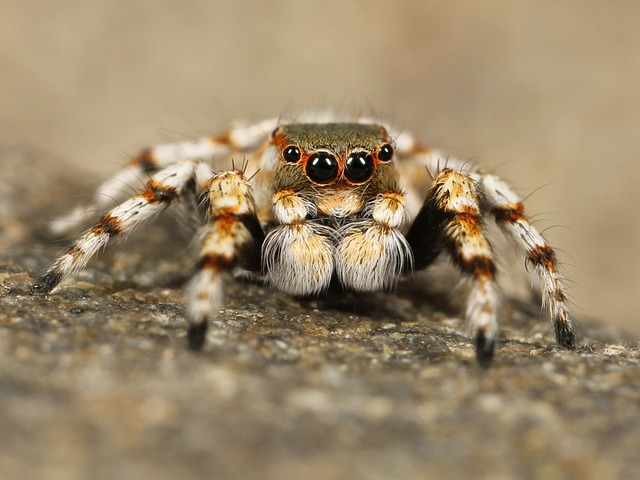
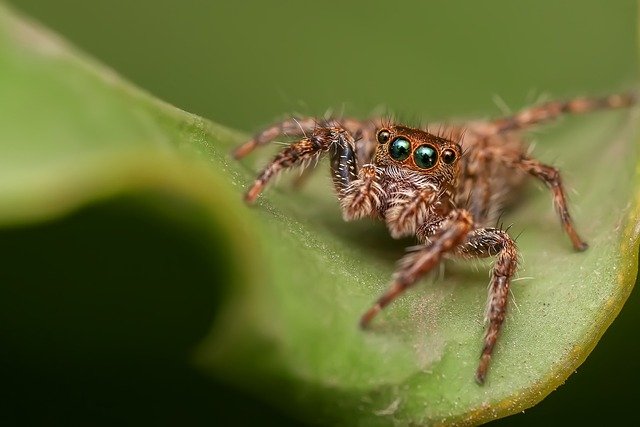
Jumping spiders in Oklahoma are a diverse group of small, agile arachnids belonging to the family Salticidae. They are known for their unique hunting techniques and remarkable jumping abilities, which set them apart from other spider species.
Jumping spiders in Oklahoma come in various colors and patterns, often displaying vibrant hues and intricate markings. Their compact size, typically ranging from a few millimeters to a centimeter in length, makes them easily recognizable. These spiders have large, forward-facing eyes, giving them excellent vision, which they use to track and stalk their prey.
One common species of jumping spider found in Oklahoma is the Bold Jumping Spider (Phidippus audax). This species is known for its striking appearance, with a black body and bold, iridescent green or blue chelicerae. Another notable species is the Zebra Jumping Spider (Salticus scenicus), characterized by its black body with white and yellow markings.
Jumping spiders are known for their agile and acrobatic hunting behavior. Unlike many other spiders that rely on webs to catch prey, jumping spiders actively hunt and pounce on their victims. They have impressive jumping skills, capable of leaping many times their body length to capture insects and other small arthropods.
These spiders use their exceptional vision to spot prey from a distance. They carefully approach their target, often moving in short, deliberate bursts. When ready to strike, they launch themselves with precision, using a combination of their powerful leg muscles and the silk strands they produce for safety.
Jumping spiders possess venom to subdue their prey, but their venom is generally not harmful to humans. These spiders are generally docile and non-aggressive toward people, and their bites are rare. However, it’s always best to avoid handling or provoking any spider species to minimize the risk of bites or allergic reactions.
In Oklahoma, jumping spiders can be found in a variety of habitats, including grassy areas, gardens, forests, and even inside homes. They prefer sunny spots where they can bask and search for prey. These spiders are beneficial to the ecosystem as they help control populations of insects and other small arthropods.
To identify jumping spiders in Oklahoma, look for their distinctive features, such as their compact size, large forward-facing eyes, and unique color patterns. Observing their agile movements and hunting behavior can also help distinguish them from other spider species.
In conclusion, jumping spiders in Oklahoma are fascinating arachnids known for their incredible jumping abilities, distinctive appearance, and agile hunting behavior. While they may appear intimidating, they pose little threat to humans and play an essential role in maintaining the balance of local ecosystems.
Conclusion
By implementing the preventive measures outlined in this article, you can greatly reduce the risk of encountering Oklahoma Brown Recluse spiders in your home. Remember, maintaining cleanliness, sealing entry points, and seeking professional assistance when needed are key to protecting your home from Brown Recluse spiders. Stay vigilant and take proactive steps to ensure a safe and spider-free living environment for you and your loved ones.
In Oklahoma, you can encounter a variety of spiders, including the venomous black widow spider and the Oklahoma brown tarantula. Other common spiders include the banded garden spider, wolf spider, tan jumping spider, yellow garden spider, golden jumping spider, white banded crab spiders, Texas brown tarantula, and the American nursery web spider. The green lynx spider and orb weaver spiders are also part of the diverse spider population in Oklahoma. The brown recluse is often confused with other species due to similar coloration and markings, so correct identification is important. In fact, two species of recluse spiders—the brown recluse and the Mediterranean recluse—are found in the United States. It’s important to be cautious around dangerous spiders and familiarize yourself with their characteristics to ensure your safety, as other species may resemble the brown recluse. Wolf spiders play a significant role in the ecosystem as effective hunters and are typically non-aggressive towards humans.
For those interested in learning more about venomous spiders and their medical significance, consider consulting resources in the field of medical entomology.